

Electric Valve for PLC Control: Enhancing Safety and Precision in Industrial Applications
- 2026-03-18 12:00:00
- admin
- NO COMMENTS
Introduction
In many field operations, engineers are often confronted with systems that must maintain precise flow and pressure while cycling through demanding duty cycles. Picture a chemical processing plant where a blend of acidic and neutralizing agents is mixed before being fed into a downstream reactor. In such environments, even a momentary lapse in valve performance can trigger spikes in pressure or flow rate, leading to product inconsistencies or safety hazards. During routine inspections, a common observation is that older valves tend to stick at certain positions, causing unnecessary vibration and stressing the actuators. When this happens in an automated line, a fraction of a second of lag translates to measurable product loss or, worse, equipment damage.
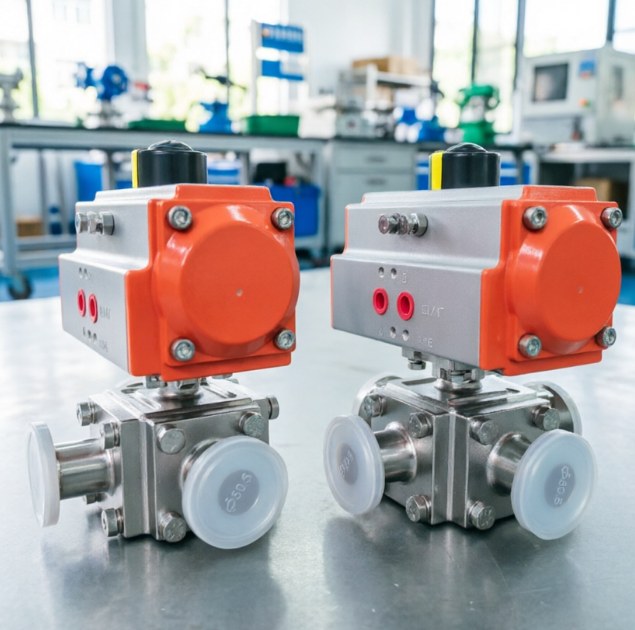
Over time, engineers have learned that coupling modern electric valves to programmable logic controllers (PLCs) is one of the most effective ways to mitigate these issues. By integrating sensors, precise actuators, and robust control algorithms, PLC‑controlled valves deliver both safety and precision. This article explores how electric valves and PLCs work together, highlights the key components of a control loop, and examines the advantages of electric valves over pneumatic alternatives. Throughout the discussion, we will also address material choices, safety standards, and future innovations that will shape the next generation of automated fluid control.
Why Electric Valves Are Essential in Modern Automation
Electric valves have become ubiquitous in industrial settings because they convert electrical signals into precise mechanical motion. Their ability to interface seamlessly with digital controllers makes them an essential building block in process automation. From food and beverage lines to pharmaceutical blending and power generation, the demand for valves that open and close reliably under varying conditions is higher than ever. Traditional manual or pneumatic valves often suffer from delays due to compressed air supply fluctuations and mechanical wear. By contrast, electric actuators respond immediately to control signals and maintain their position without constant energy consumption, making them both efficient and reliable.
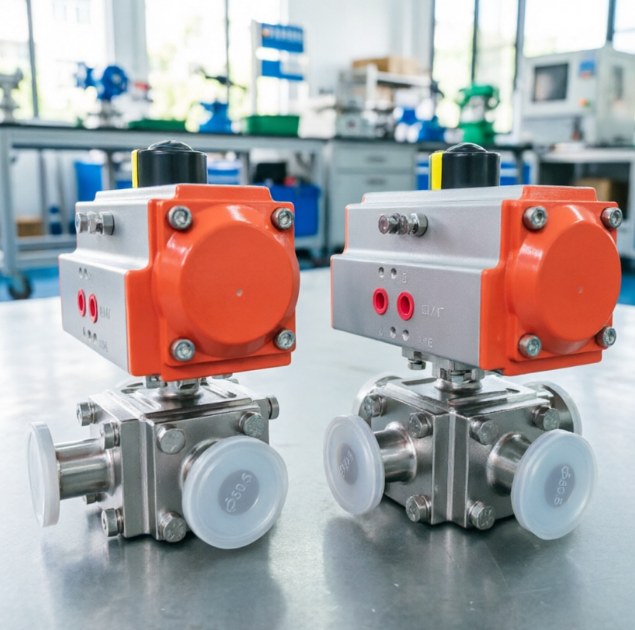
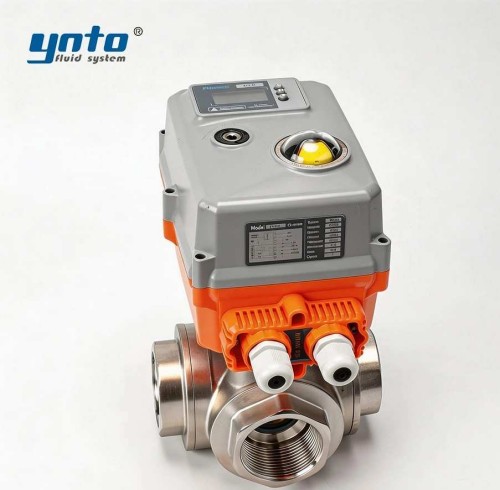
Another advantage is that electric valves can offer fine control over the stroke position, enabling partial open or throttling operations for precise flow regulation. This capability is crucial when blending different fluids or when maintaining a delicate thermal balance in a reactor. For example, in many process control loops, engineers rely on electric ball valves for tight shutoff performance and for minimizing deadband during modulating service. The improved precision translates directly into better product quality and reduced energy consumption, especially when the valves are driven by stepper or servo electric actuators controlled via PLC logic.
The Role of PLCs in Industrial Automation
Programmable logic controllers are specialized industrial computers designed to automate processes by monitoring inputs, executing programmed sequences, and triggering outputs. They replaced relay logic decades ago and now serve as the brain behind most automated equipment. PLCs are preferred for their deterministic behavior, robust design, and flexibility. With scan times measured in microseconds, they can read sensors, evaluate conditions, and issue commands to actuators faster than any human operator.
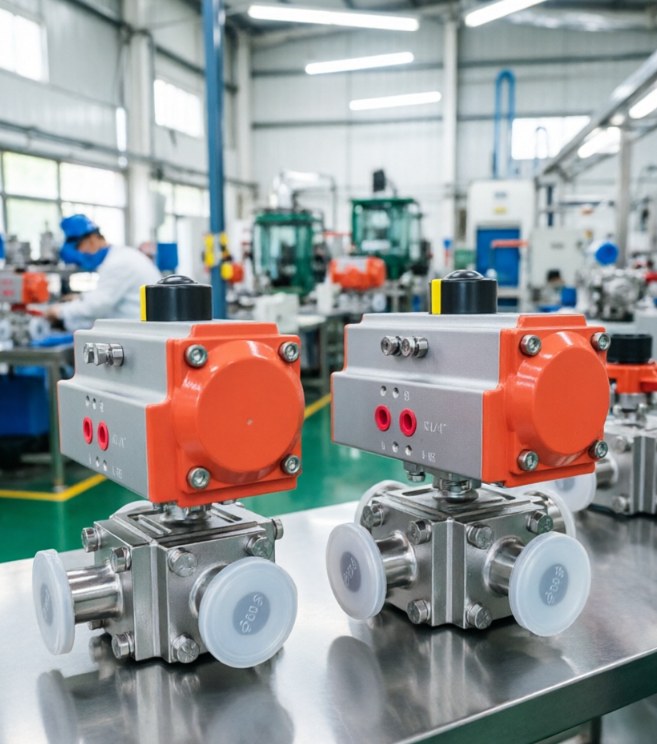
When it comes to fluid control systems, PLCs are the glue that binds sensors and actuators into a coherent control loop. Valve position sensors, flow meters, pressure transducers, and temperature probes feed real‑time data into the PLC, which then calculates whether a valve should modulate or change state. Because PLCs are modular, engineers can scale systems up from a handful of valves to hundreds without fundamentally altering the programming philosophy. Modern PLC platforms also integrate advanced diagnostics and network capabilities, enabling predictive maintenance and remote monitoring.
Key Components of Electric Valve Systems
Overview of Electric Valves
An electric valve consists of a valve body, a closing element such as a ball or disc, and an actuator that translates electrical signals into mechanical movement. The valve body must be fabricated from materials that resist corrosion, erosion, and thermal cycling. Common choices include 316L stainless steel for clean processes, Duplex or Super Duplex alloys for high‑chloride environments, and exotic alloys for extreme temperatures. For sealing, materials like PTFE, EPDM, and FKM are selected based on compatibility with the fluid and temperature range. Modern designs also incorporate stem seals and bearing surfaces coated with fluoropolymers or FBE/Halar to minimize friction and extend service life.
Within the body, the closing element—whether a ball, disc, or diaphragm—must be machined to tight tolerances to prevent leakage. A severe pressure imbalance can cause the valve to flutter, leading to seat wear and eventual leakage. For example, in an oil and gas manifold, a sudden pressure surge may cause the valve trim to vibrate, which over time erodes the seat and introduces hysteresis into the actuator response. To prevent this chain of events—pressure fluctuation → valve vibration → seat wear → delayed response—engineers use appropriately sized valves and integrate dampening algorithms into the PLC.
Features of Programmable Logic Controllers
A PLC designed for valve control must provide reliable input and output modules, high processing speed, and robust communication protocols. Digital inputs monitor limit switches and discrete sensors, while analog inputs read process variables like pressure and flow. The outputs drive motor starters or solid‑state relays that energize the valve actuators. Since valve motion must be coordinated with other equipment such as pumps and conveyors, the PLC’s ability to handle interrupts and time‑critical tasks is paramount. Additionally, PLCs often include network interfaces (Ethernet, Profibus, Modbus) that connect them to supervisory systems and human‑machine interfaces (HMIs).
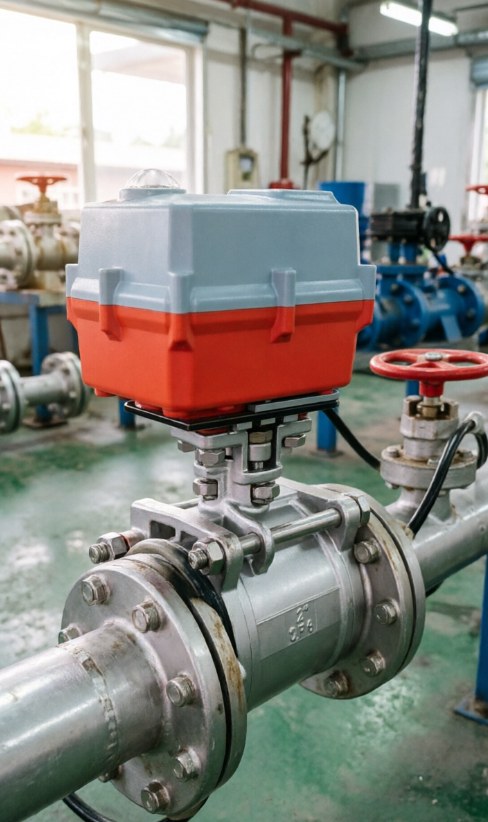
To ensure safety and reliability, PLCs incorporate watchdog timers, redundancy options, and diagnostic routines. For instance, in high‑integrity applications, dual PLCs with cross‑checks can ensure that a single fault does not lead to uncontrolled valve motion. International standards like IEC 61131 and safety guidelines such as IEC 61508 influence the design and validation of PLC programs to meet SIL (Safety Integrity Level) requirements. Compliance with these standards is a prerequisite for industries regulated by ANSI, ASME, API, ISO, and DIN specifications.
Incorporating Valve Position Sensors
Valve position sensors provide feedback on the actual position of the valve, enabling closed‑loop control. Without accurate position feedback, a PLC would have to infer valve status based solely on command signals, which is unreliable when mechanical stiction or wear is present. Common sensor types include potentiometers, magnetic encoders, and limit switches. By capturing the valve’s true position, the PLC can compare it with the desired setpoint and drive the actuator until the difference is within tolerance. This reduces overshoot, improves response time, and prevents oscillation.
In sanitary applications such as beverage production, position sensors also help ensure hygiene. A valve that does not fully close may allow product residues to accumulate, fostering bacterial growth. Modern actuator designs integrate sensors directly, reducing wiring complexity and improving reliability. When combined with an electric actuator, these sensors enable high‑resolution control that matches or exceeds pneumatic servo performance.
Integrating Electric Valves with PLCs
Steps to Connect Electric Valves and PLCs
Successful integration begins with selecting a valve and actuator combination that matches the process requirements. The next step is wiring the actuator to the PLC’s output modules and wiring the position sensors to the input modules. Engineers must follow manufacturer wiring diagrams carefully, ensuring that supply voltages, signal levels, and grounding schemes match. After physical wiring, the PLC program must be configured to read the sensor inputs, generate actuator outputs, and implement interlocks to prevent conflicting commands.
Commissioning involves stepping the valve through its full travel while monitoring the sensor feedback. Any discrepancies between commanded and actual positions are corrected by adjusting calibration parameters in the PLC. A common issue during commissioning is a small deadband where the actuator responds sluggishly to small control changes. This deadband often results from a combination of mechanical backlash and sensor resolution limits. Engineers can compensate through software deadband compensation or by using higher resolution sensors. Once configured, the PLC logic can be expanded to include diagnostics that detect stuck valves, motor overloads, or sensor faults.
Common Challenges and Solutions
Despite the advantages of electric valves, integrating them with PLCs is not without challenges. One frequent problem is electromagnetic interference (EMI) from nearby motors or switching devices that affects sensor signals. Proper shielding, grounding, and cable routing are essential to mitigate EMI. Another challenge is the heat generated by the actuator and nearby equipment. If the actuator overheats, its torque output may drop, causing the valve to stall. To prevent overheating → reduced torque → valve stall → process upset, engineers select actuators with adequate duty ratings and may provide additional cooling.
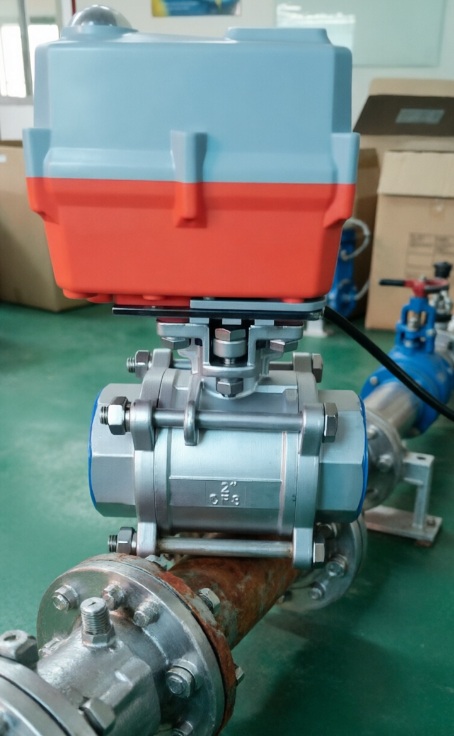
Software bugs and logic errors can also cause valves to behave unpredictably. PLC programmers must adhere to good coding practices, including using state machines, monitoring for abnormal conditions, and implementing fault‑tolerant designs. In critical systems, simulation tools allow engineers to test the control logic before deploying it on real hardware. Finally, integrating valves from different manufacturers may require custom interface circuits or protocol converters to bridge differences in voltage levels or communication standards.
Advantages of Electric Valves Over Pneumatic Valves
Performance and Reliability
Electric valves generally offer superior positioning accuracy and repeatability compared to pneumatic valves. While pneumatic control relies on air pressure and may drift as compressors cycle, electric actuators maintain position using gear trains or brake mechanisms with minimal drift. This stability is essential when metering additives or controlling jacketed reactors. Moreover, because electric actuators are sealed, they are less prone to moisture ingress and contamination, enhancing reliability in corrosive or dusty environments.
In terms of responsiveness, the absence of air lines and mechanical linkages allows electric actuators to respond almost instantly. When paired with modern motion control algorithms, they can deliver acceleration and deceleration profiles that minimize mechanical stress on the valve body and piping. This smooth motion reduces vibration → seat wear → leakage, thereby extending the service interval. By contrast, pneumatic actuators often exhibit stick‑slip behavior and require air supply maintenance.
Operational Costs
Although electric valves may have a higher initial cost than pneumatic valves, their total cost of ownership is often lower. Electric actuators consume power only when moving, whereas pneumatic systems require continuous compressor operation to maintain pressure. Electric systems also eliminate the need for air dryers, filters, and regulators, reducing maintenance and energy consumption. For plants aiming to reduce their carbon footprint, the improved efficiency of electric valves contributes to overall emissions reductions.
Environmental Impact
Electric valves align with sustainability goals by minimizing the release of greenhouse gases associated with compressed air systems. They also reduce noise pollution, which is an important consideration in facilities with strict occupational health requirements. Additionally, the absence of exhaust air eliminates concerns about oil or particulate contamination of the surrounding environment, which is particularly beneficial in clean room or food processing applications. Furthermore, electric actuators can be built with recyclable materials and designed for ease of disassembly, supporting circular economy principles.
Safety and Compliance Considerations
Ensuring Safety in Fluid Control Systems
Safety is paramount in fluid control systems, especially when dealing with hazardous or explosive media. Electric valves play a critical role in maintaining containment and preventing unplanned releases. An improperly sealed valve could lead to a catastrophic leak; therefore, selecting appropriate materials and ensuring proper installation are vital. For high‑pressure services, dual packing and live loading mitigate fugitive emissions. Electrical enclosures must meet hazardous area classifications per standards like ATEX and IECEx.
Integrating safety interlocks in the PLC prevents valves from opening or closing unexpectedly. For example, a logic routine may verify that downstream pressure is within limits before opening a feed valve. In the event of power failure, fail‑safe actuators can drive the valve to a predefined safe position, preventing overpressure or spillage. Regular testing, such as partial stroke testing, ensures that safety valves remain functional between shutdowns. Complying with API 598 leakage testing and API 6D design codes provides assurance that valves will perform as expected under rated conditions.
Regulatory Compliance in Industrial Applications
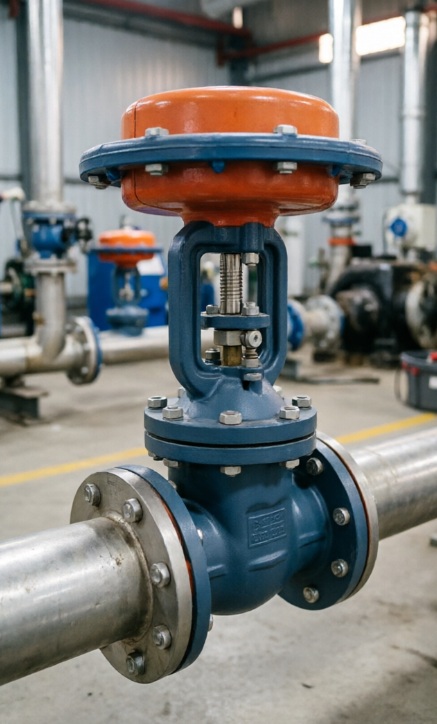
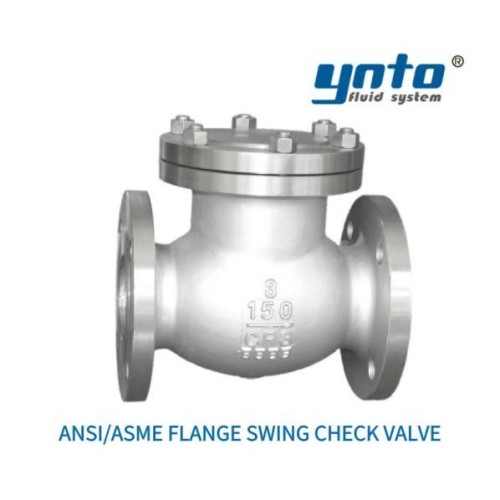
Industrial facilities must adhere to a myriad of standards to ensure safety, reliability, and interoperability. ANSI and ASME standards define flange dimensions, pressure ratings, and materials of construction. API standards cover testing procedures, design requirements for pipeline valves, and acceptance criteria for leakage. ISO and DIN standards provide global harmonization, allowing equipment from different regions to fit and function together. For applications involving potable water or food products, additional regulations from agencies like FDA or NSF may apply. Ensuring compliance requires careful documentation and often third‑party inspection, but it also protects the end user and the environment.
Future of Electric Valve Technologies
Innovations in Electric Valves for PLC Control
The future of electric valves is closely tied to advancements in smart sensors, edge computing, and connectivity. Manufacturers are developing actuators with built‑in diagnostics that monitor torque, vibration, and temperature in real time. This data can be fed into machine learning algorithms to predict failures before they occur. Another trend is the miniaturization of actuator components, enabling compact designs with higher power density. Materials research continues to yield improved seal compounds and corrosion‑resistant alloys, further extending service life.
Energy harvesting and low‑power electronics may eventually allow valves to operate without hardwired power, relying instead on process energy or wireless power transfer. Developments in communication protocols, such as Time‑Sensitive Networking (TSN), will enhance the determinism and security of control networks. As PLC vendors integrate more advanced motion control and analytics functions, the line between discrete automation and process control will blur, offering plant operators unprecedented flexibility and insight.
Emerging Trends in Automation
Beyond individual valve improvements, broader automation trends will shape how valves are used. The Industrial Internet of Things (IIoT) promotes connectivity at all levels, enabling remote monitoring and control of vast valve networks. Cybersecurity becomes a critical consideration when valves are accessible over the network. Digital twins—virtual models of physical assets—allow engineers to simulate and optimize valve performance under varying conditions, reducing commissioning times and improving design. Integration with advanced process control (APC) and model predictive control (MPC) algorithms will further improve process efficiency and robustness.
Conclusion
Final Thoughts on Electric Valve Integration
Coupling electric valves with PLC control unlocks a new level of precision, reliability, and safety in industrial fluid handling. By understanding the components involved—valves, actuators, sensors, and controllers—engineers can design systems that respond quickly and accurately to process demands. Through careful material selection, compliance with standards, and thoughtful integration, the risk of leakage, wear, or failure can be minimized. As technology advances, the future holds even greater promise, with smarter actuators, predictive diagnostics, and integrated analytics all poised to enhance productivity. For industrial operators seeking to improve their process control, electric valves controlled by PLCs offer a compelling solution that balances performance, cost, and sustainability.
- 2026-09-16 09:30:53
- 2026-09-14 15:59:43

- 2026-09-11 16:48:37