

Pool Filtration Valve Systems for Easier Maintenance
- 2026-08-21 10:06:55
- admin
- NO COMMENTS
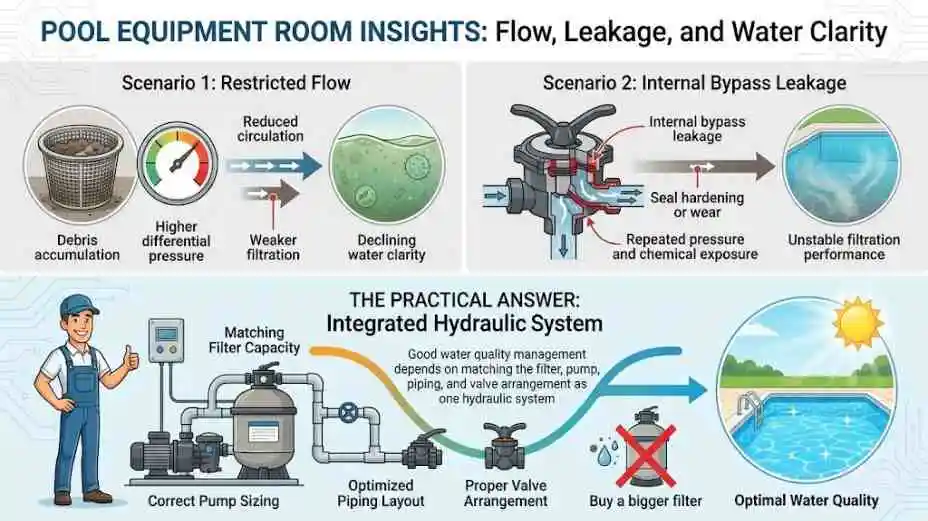
A pool equipment room usually tells you something is wrong before the water does. The filter pressure gauge may be sitting several psi higher than its clean starting point, the pump sounds slightly harsher than it did last week, and the multiport handle takes more force than expected to move. Outside, the pool still looks acceptable in bright sunlight. By late afternoon, though, a faint haze becomes visible across the deep end.
Engineers and experienced service technicians tend to notice two recurring issues in this situation. One is restricted flow caused by a dirty filter, partially closed valve, or poorly positioned diverter. The other is internal leakage inside the filtration valve itself. A worn seal may allow part of the flow to bypass the intended filter path or escape toward the waste connection. Neither failure looks dramatic at first, but both interfere with pool water clarity and make routine pool maintenance more difficult.
The cause-and-effect chain is easy to recognize in the field:
Debris accumulation → higher differential pressure → reduced circulation → weaker filtration → declining water clarity.
Another develops more slowly:
Repeated pressure and chemical exposure → seal hardening or wear → internal bypass leakage → unstable filtration performance.
For residential and commercial operators, the practical answer is not simply to “buy a bigger filter.” Good water quality management depends on matching the filter, pump, piping, and valve arrangement as one hydraulic system.
Enhancing Water Quality Management with Advanced Filtration Valve Systems
1. Overview of Pool Filtration Systems
A typical pool filtration loop pulls water from skimmers and main drains, passes it through the pump and filter, then sends the treated water back through return fittings. Depending on the installation, the same plumbing for pools may also serve heaters, chlorinators, UV equipment, automatic pool cleaners, water features, and chemical-control systems.
Sand and diatomaceous-earth filtration systems often use multiport or backwash valves to redirect water through several operating modes. Pentair, for example, uses six-position multiport valves on several sand-filter systems and describes these valves as the control point for different filter functions.
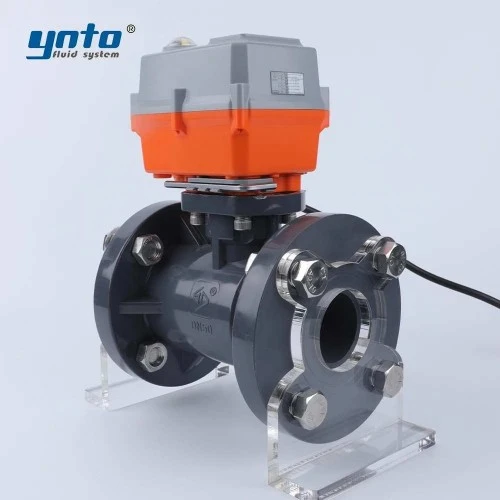
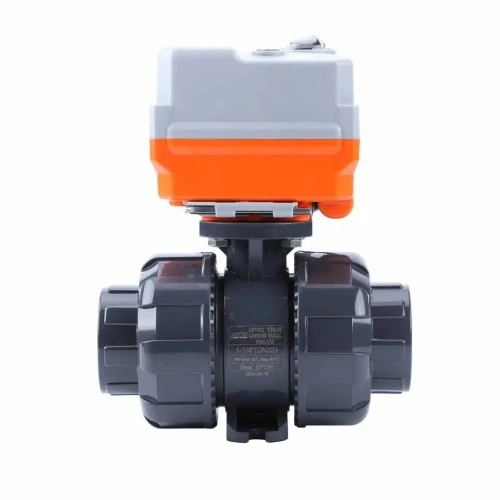
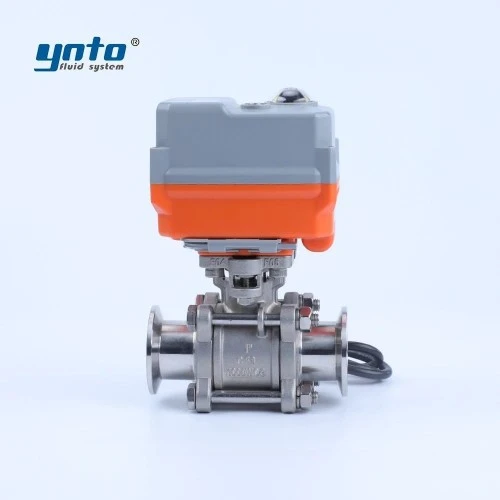
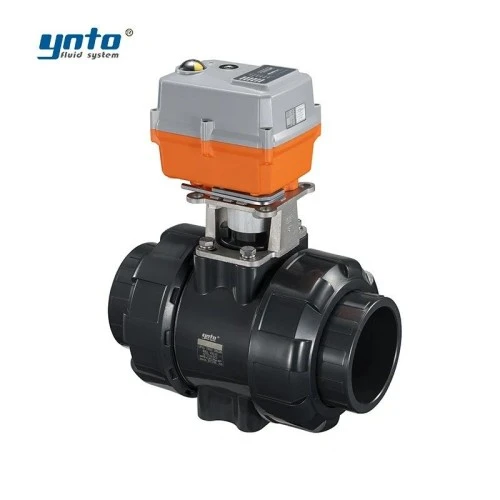
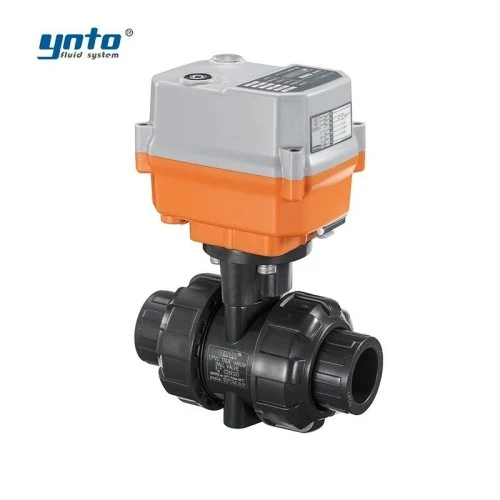
For auxiliary isolation, chemical-treatment branches, or commercial equipment rooms, a conventional multiport valve may not be the only valve required. An industrial plastic true union ball valve can provide low-resistance on/off isolation and easy removal through its union design. CNYNTO lists UPVC, CPVC, and PP-H versions for water-treatment duties, with ANSI and DIN connection options and pressure testing before shipment.
That type of valve is particularly useful where the operator wants to isolate a pump, heater, chemical feeder, or filtration skid without cutting PVC pipe during later maintenance.
From an engineering standpoint, flow resistance matters. Every elbow, reducer, undersized pipe section, and partially throttled valve adds head loss. If system resistance rises, the pump operating point shifts and circulation decreases. Pentair markets low-loss backwash-valve designs specifically around reducing filtration-system pressure loss and associated energy demand, illustrating how much valve hydraulics can affect overall system efficiency.
2. Filtration Valve Functions Explained
2.1 Understanding Valve Positions
The familiar multiport valve normally controls several hydraulic paths rather than simply opening and closing the line.
In Filter mode, water passes through the filtration media and returns to the pool. Backwash reverses or redirects the flow so trapped contaminants can be discharged. Rinse settles or cleans the media after backwashing before normal filtration resumes. Waste sends water directly to the drain without returning it to the pool. Recirculate bypasses the filter while maintaining circulation, and Closed isolates flow through the valve.
The precise port arrangement depends on the filter and valve manufacturer, so operators should follow the equipment manual rather than assuming that every handle position produces the same internal flow path. Pentair’s six-position valve systems and backwashing instructions demonstrate this coordinated relationship between filter and valve position.
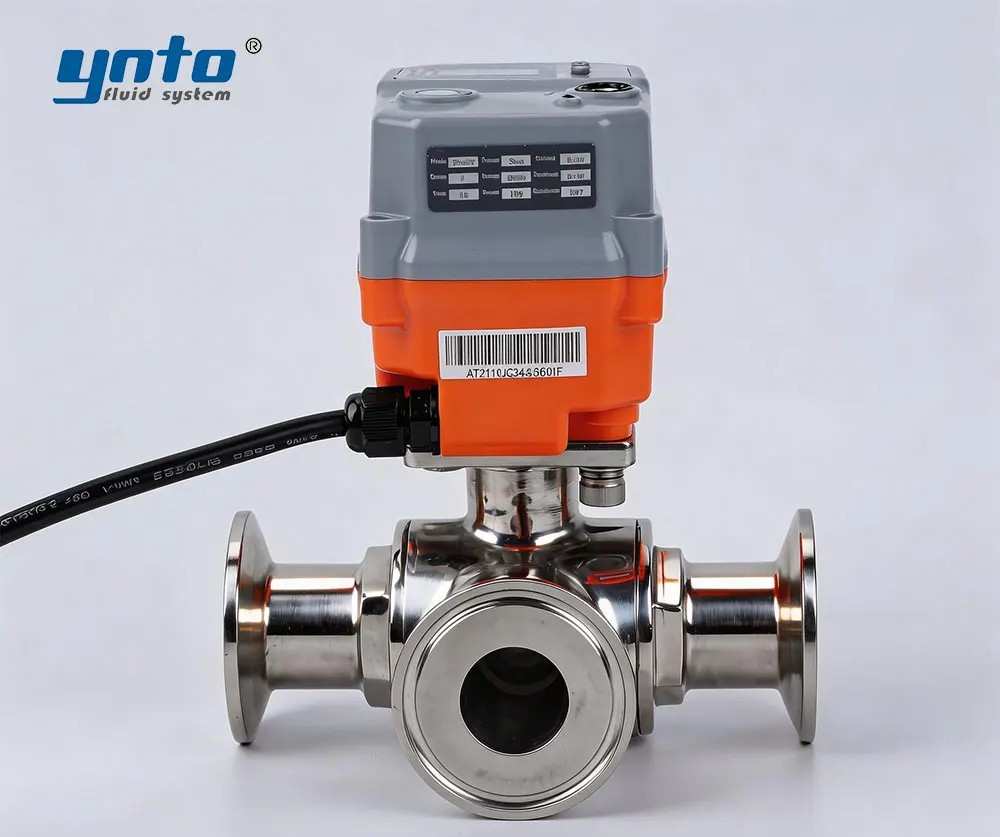
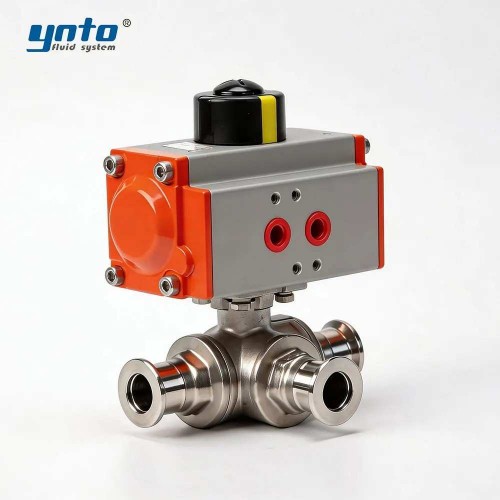
In larger or automated installations, these functions can also be reproduced through several individual valves. A three-way valve, for example, can divert water between filtration and bypass branches. CNYNTO’s electric three-way plastic ball valve uses L- or T-pattern balls and can rotate for directional control, diversion, or merging. Its listed applications include drinking water, drainage, wastewater, seawater, and other fluid systems.
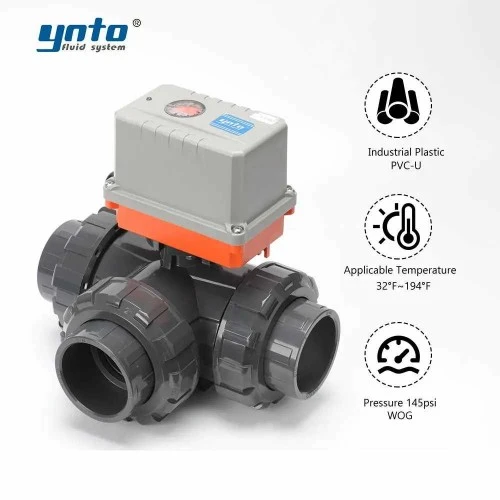
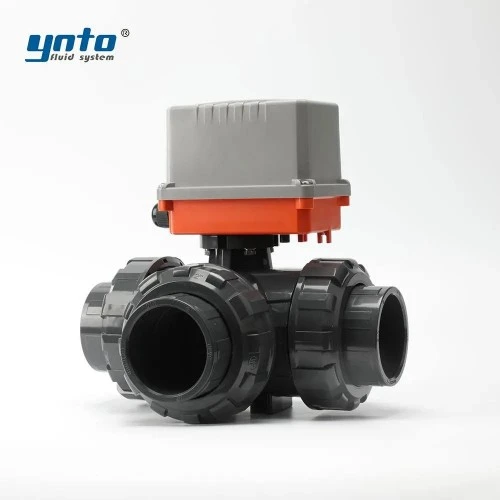
For a commercial pool operator designing an automated filtration manifold, this type of arrangement can provide more flexible sequencing than asking one manually operated valve to handle every function.
The important engineering point is that the controller must prevent conflicting flow paths. Sending pump discharge simultaneously toward a closed filter branch and a restricted bypass can produce a rapid pressure increase.
2.2 Importance for Automatic Pool Cleaners
Automatic pool cleaners depend on stable hydraulic conditions.
A suction-side cleaner uses the filtration pump’s suction to move debris toward the filter. Pentair’s Kreepy Krauly design, for example, regulates water flow to obtain the intended cleaner travel speed, showing why available suction and valve positioning influence cleaning performance.
When the skimmer valve is opened too far and the cleaner branch receives insufficient suction, movement becomes slow or intermittent. Close the other branch too aggressively and the opposite problem appears: cleaner speed rises, pump suction can become excessive, and the hydraulic balance of the pool changes.
Water-actuated in-floor cleaning systems face the same principle from the pressure side. Pentair describes its WAVE valve as directing water toward individual cleaning zones, with flow control affecting both cleaning and circulation.
For engineers commissioning these systems, valve position should therefore be treated as part of the cleaner setup—not as a separate plumbing detail.
3. Common Pool Maintenance Tips
3.1 Frequency of Valve Checks
Good pool maintenance tips are usually simple because the most useful inspections take only a few minutes.
During routine equipment checks, look at the filter-pressure gauge before touching the valve. Compare the reading with the clean-filter baseline rather than relying on an arbitrary number. Pentair recommends backwashing certain filters when pressure is roughly 10 psi above the original starting pressure or when flow has significantly decreased.
Then inspect the valve itself.
The handle should move through its intended positions without grinding or abnormal resistance. Around the body and stem, look for moisture that cannot be explained by rain or recent servicing. Check the waste line during normal filtration; continuous flow there can indicate an internal sealing problem.
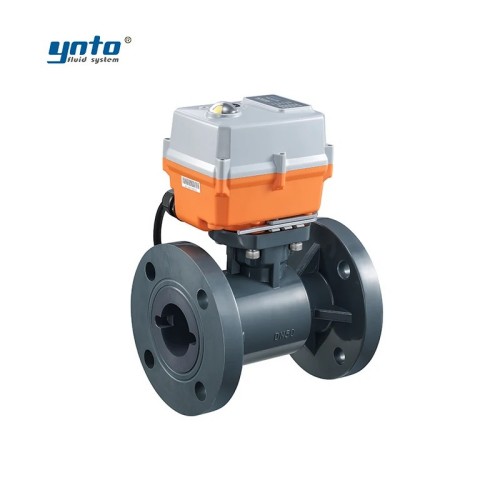
Commercial installations with automatic isolation can reduce manual intervention. A flange-type electric UPVC plastic ball valve provides corrosion-resistant plastic-body options including PVC-U, PVC-C, PP-H, and PVDF. CNYNTO lists the product for water- and wastewater-treatment applications with DIN, ANSI, and JIS connection standards.
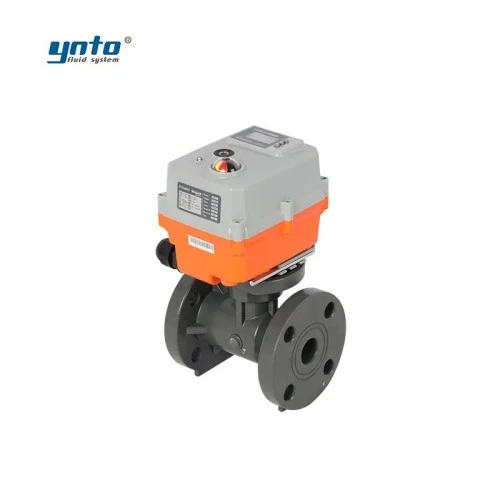
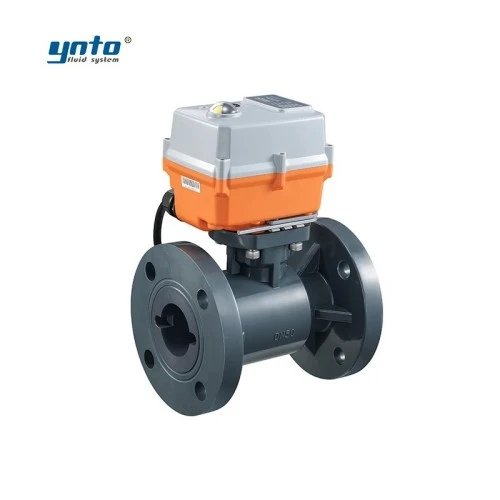
In pool applications, UPVC is particularly familiar because chlorinated water and outdoor humidity can be hard on unprotected metallic components. Material suitability still needs to be checked against chlorine concentration, temperature, UV exposure, pressure, and any acid used for pH control.
3.2 Signs of Malfunction
A malfunctioning filtration valve rarely fails in only one way.
An increasingly stiff handle may indicate contamination or internal seal damage. Water escaping from the stem region suggests seal deterioration. A pool that remains cloudy soon after correct backwashing may indicate that water is not following the intended filter path. Meanwhile, a persistent trickle from the waste pipe during Filter mode often directs attention toward the valve’s internal diverter or sealing surface.
Engineers also listen.
Small-flow vibration can occur when a valve is operated too close to a restrictive position. Pressure fluctuation makes the internal component vibrate, repeated vibration wears the sealing surface, and the valve develops progressively poorer shut-off.
Pool chemistry accelerates some of these effects. CDC guidance emphasizes regular control of chlorine concentration and pH because these parameters are fundamental to healthy pool operation. Filtration complements chemical treatment; it does not replace it.
Material selection follows the service. EPDM is frequently useful in water duties, while PTFE offers broad chemical resistance and low friction. 316L stainless steel can be appropriate in certain commercial pool systems, but chloride exposure must still be evaluated. Carbon steel without adequate protection is generally less attractive around continuously wet, chemically treated pool equipment.
Protective systems such as FBE coatings may make sense in larger industrial-style water equipment. Halar coatings are normally reserved for much more aggressive chemical duties and would be difficult to justify for an ordinary residential pool.
4. Troubleshooting Pool Filters and Valves
4.1 Identifying Issues with Water Clarity
Pool filter troubleshooting should start by separating a filtration problem from a chemistry problem.
If chlorine and pH are outside the required operating range, fixing the valve alone will not restore water quality. CDC specifically identifies proper chlorine and pH control as fundamental for reducing disease risk in residential pools and hot tubs.
If chemistry is acceptable, examine circulation.
Check whether return flow feels weaker than normal. Compare filter pressure with the recorded clean baseline. Confirm that the valve is firmly indexed into the filter position and that the suction and return branches are open as intended.
Cloudiness following backwashing may indicate insufficient rinsing, poor valve positioning, damaged filter media, or internal bypass leakage.
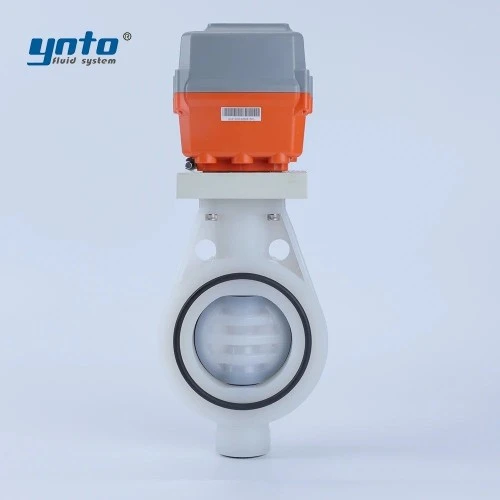
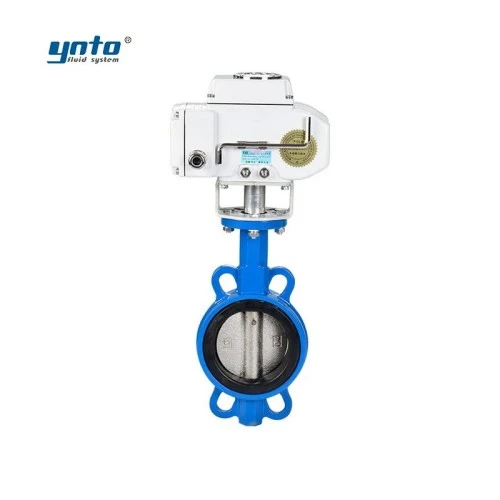
For high-flow commercial filtration plants, valve size becomes particularly important. An electric soft-seal butterfly valve can provide automated flow control in larger pipe diameters; CNYNTO lists DN50–DN800 sizes, PN10/PN16 ratings, and EPDM, NBR, or PTFE seat options for water-treatment and other fluid-control duties.
Butterfly valves are not substitutes for every residential multiport valve. They are more relevant to commercial circulation, isolation, bypass, and automated backwash manifolds where pipe diameter and automation justify a separate-valve architecture.
4.2 Effective Solutions for Common Problems
If filter pressure is high and pool return flow is low, clean or backwash the filter first. Do not immediately increase pump speed to force more flow through a restricted system. Higher pump output increases differential pressure and may worsen an already dirty filter condition.
If water leaks continuously to waste, inspect the multiport-valve gasket, diverter, spring mechanism, and sealing surfaces. Replacing a worn gasket is often more rational than compensating by adjusting another valve in the system.
Safety takes priority before any work begins. Pool filters operate under pressure. Pentair instructs users to shut off the pump, disable automatic controls, open the air-relief valve, stand clear, and verify that pressure has fallen to zero before servicing the filter. Its backwashing procedures also stop the pump before repositioning the multiport valve.
Automated systems need similar discipline. A controller should not rotate a diversion valve into an unsafe position while the pump is operating unless the hydraulic system was specifically designed for that transition.
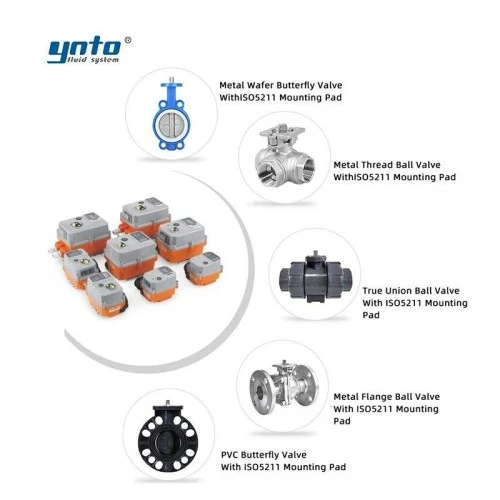
A modern actuator can help manage these sequences. The YT-02 electric valve actuator supports two-way and three-way ball valves and butterfly valves, with on/off, regulating, bus, timing, wireless, and PID-control configurations. CNYNTO also lists water-supply and refrigeration applications, making the actuator relevant to automated commercial water circuits.
Standards should be applied with similar precision. ASME B16.34 addresses pressure-temperature ratings, materials, testing, and other requirements for specified industrial metallic valves. ISO 5208 addresses pressure testing and closure tightness of metallic industrial valves, while DIN EN 558 standardizes face-to-face dimensions for flanged metallic valves. API 598 is an industrial valve inspection and testing standard. These are useful references for commercial or industrial valve packages, but they should not be presented as universal certification requirements for residential swimming-pool multiport valves.
5. Conclusion: Making Informed Choices
Cleaning swimming pools becomes far easier when the circulation system works predictably.
The filtration valve determines whether water passes through the filter, bypasses it, leaves through the waste line, or follows a cleaning circuit. When that routing becomes unreliable, operators often compensate by running the pump longer, adding chemicals, or repeatedly backwashing. Those actions increase operating costs without addressing the underlying hydraulic problem.
Start with the operating symptoms. Record clean-filter pressure. Watch return flow. Check the waste outlet. Confirm valve position and inspect seals before replacing equipment. For pools using automatic pool cleaners, verify that the cleaner receives the intended suction or pressure without starving the primary filtration circuit.
For new commercial installations, automation can go further. Plastic ball valves provide corrosion-resistant isolation, three-way valves automate diversion, butterfly valves handle larger circulation lines efficiently, and electric actuators make programmed backwashing and remote flow management possible.
The goal is not to fill the equipment room with more valves. It is to use the right valve in the right hydraulic position.
When pressure drop is controlled, sealing materials match pool water chemistry, and maintenance access is considered during design, the filtration system becomes easier to operate. Water remains more consistent, pump demand is easier to manage, and troubleshooting takes minutes rather than hours.
.png?imageMogr2/format/webp)
- 2026-09-30 08:25:23
- 2026-09-28 10:28:43
- 2026-09-21 15:23:44